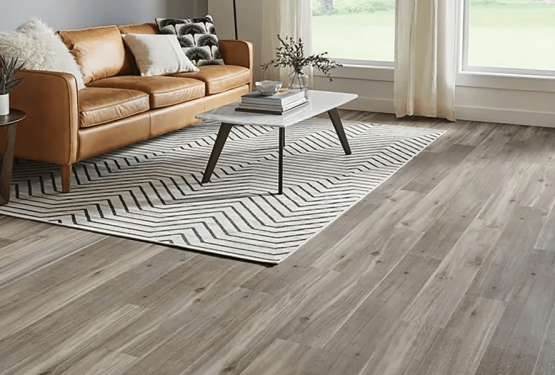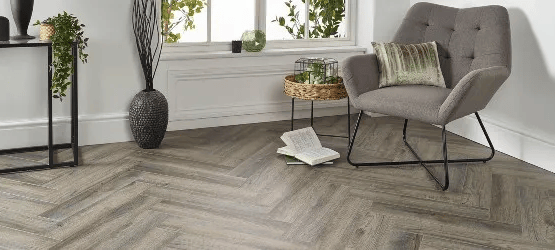

Finding the right flooring option that helps with sound insulation is very important to help to reduce noise in your home or office. A lot of things create sound in our living spaces, i.e. footfalls when you walk, echoing hallways, and loud/unwanted noises from nearby appliances. All those sounds contribute to making your environment less comfortable. At BriteFloor, we know how important it is for people to enjoy peace and quiet in their homes, and we have done the research to find the best flooring types to provide sound absorption while still allowing for a stylish and long-lasting interior.
Why Sound Insulation Matters in Flooring
Hard flooring materials such as wood, tile, and laminate allow sound transmission through them very easily. Having insufficient sound insulation can create:
- Noise disturbances in apartment complexes or multi-story buildings
- Echoes within open-plan areas
- Noise complaints from tenants in shared complexes
Opting for sound-insulating flooring can help to decrease or eliminate these issues. Sound-insulating flooring will provide a more peaceful atmosphere, improve comfort, and may even increase the overall value of your home.
Top Flooring Options for Sound Insulation
1. Carpet Flooring
Carpet is widely regarded as one of the quietest flooring options. Its soft texture absorbs footsteps and reduces echo. Consider thicker carpets with dense padding for maximum noise reduction.
Pros:
- Excellent sound absorption
- Comfortable underfoot
- Wide range of colours and patterns
- Requires regular cleaning
- Can stain easily
-
- Eco-friendly and renewable
- Comfortable and warm
- Naturally reduces footstep noise
-
- Can dent under heavy furniture
- Needs sealing to prevent moisture damage
-
- Water-resistant and durable
- Easy to clean
- Affordable soundproofing option
-
- Less soft than carpet or cork
- Quality varies by manufacturer
-
- Stylish wood-look finishes
- Easy to install
- Durable for high-traffic areas
-
- Can feel hard underfoot
- Needs proper underlay for best results
-
- Elegant and natural appearance
- Long-lasting
- Reduces footstep noise with proper padding
-
- More expensive than vinyl or laminate
- Sensitive to moisture if not installed properly
-
- Use rugs or runners in high-traffic areas
- Install underlay beneath hard flooring surfaces
- Seal gaps around doors and windows
- Consider double-layer flooring for apartments
Cons:
2. Cork Flooring
Cork is a natural material with excellent soundproofing properties. Its cellular structure absorbs noise effectively, making it ideal for bedrooms and living areas.
Pros:
Cons:
3. Vinyl Flooring with Acoustic Underlay
Vinyl is a versatile and durable flooring option. When paired with an acoustic underlay, it becomes highly effective at sound insulation. Luxury vinyl planks (LVP) mimic the look of wood while keeping noise levels low.
Pros:
Cons:
4. Laminate with Soundproof Backing
Laminate flooring can be noisy on its own, but adding a soundproof backing or underlay reduces impact noise. Choose thicker laminate boards for better performance.
Pros:
Cons:
5. Engineered Wood with Acoustic Pads
Engineered wood offers the beauty of hardwood with improved stability. Adding acoustic pads beneath the planks enhances its soundproofing abilities. This option is perfect for living rooms, offices, and bedrooms.
Pros:
Cons:
Tips for Maximizing Sound Insulation
Conclusion:
BriteFloor has a variety of flooring materials that are made so beautifully, are durable, and contribute to a quiet atmosphere in your home or business. By choosing the right sound insulation flooring, you will be creating a peaceful and accommodating environment for yourself at your residence or business.
If you need help finding the right soundproof flooring to fit your needs, please contact us at BriteFloor and we will assist in developing a quieter and more satisfying place to live.