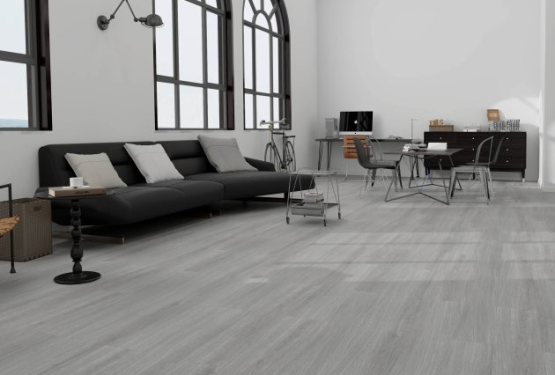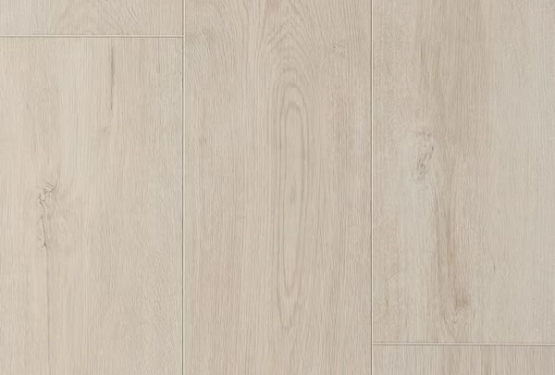

Vinyl is now one of the most popular choices for both homeowners and designers, and it’s not hard to see why. It is affordable, stylish, durable, and comes in a variety of styles from realistic wood and tile options to cutting-edge modern patterns that coordinate with nearly any interior sensibility. However, even with the wide range of flooring materials available today, you may still be asking, “Is vinyl good for flooring?” This guide demystifies vinyl’s durability, cost, style options, and overall value to help you evaluate whether vinyl can be a flooring option for your home.
What Makes Vinyl Flooring So Popular?
Vinyl flooring has changed drastically since it was first introduced. The luxury vinyl plank (LVP) and luxury vinyl tile (LVT) products available now come very close to replicating natural materials, but at a lower cost. Additionally, vinyl offers features that traditional flooring cannot, including, better water resistance, a softer feel underfoot and easier installation.
However, even if you take aesthetics out of the equation, vinyl has practical benefits for busy families, dog owners, or anyone needing low-maintenance living.
1.Durability: How Well Does Vinyl Hold Up?
One of the biggest draws of vinyl flooring is its durability. Modern vinyl is engineered with multiple layers, including a tough wear layer on top that protects against scratches, stains, and everyday wear.
Scratch and Stain Resistance:
High-quality vinyl flooring has a great deal of scratch resistance, making it a good choice for homes with children or pets. A wear layer, often between 6 and more than 20 mils thick, is an important factor in how scratch-resistant the floor is. A thicker wear layer will thus have a better level of protection over time.
Waterproof or Water-Resistant?
The majority of vinyl plank flooring is completely waterproof, allowing them to be installed in kitchens, bathrooms, laundry rooms, and basements. This is a major benefit of vinyl versus wood, which could warp or swell with moisture.
Longevity
With good care, vinyl flooring of high quality can last between 10–20 years or more. While it may not exceed hardwood flooring in lifespan, it is very durable for the price point.
2.Cost: Is Vinyl Flooring Budget-Friendly?
When it comes to affordability, vinyl flooring shines. It offers a high-end look without the high-end price tag.
Material Cost
- Standard vinyl: Often the most affordable.
- Luxury vinyl plank (LVP): Mid-range but still more budget-friendly compared to hardwood or stone.
- Luxury vinyl tile (LVT): Slightly higher priced, especially for premium designs.
If you’re trying to achieve the look of hardwood, vinyl can deliver a similar aesthetic at a significantly lower cost.
Installation Cost
Vinyl is also fairly easy to install. Many homeowners opt for click-lock vinyl planks to do as a DIY project. Even when hiring a licensed professional, the cost will often be lower than hardwood or tile due to the ease of cutting it and placing it down.
Maintenance Costs
Vinyl needs very little care. You will not have to polish, seal, or refinish vinyl. Normal sweeping and occasional mopping are usually all that is required. Over time, this can save you effort and money.
3.Style: How Versatile Is Vinyl Flooring?
If style and versatility matter to you, vinyl flooring offers nearly endless options.
Realistic Wood and Stone Looks Thanks to advanced printing technology, luxury vinyl can replicate the look and texture of:
- Oak, maple, walnut, and exotic woods
- Granite, marble, and slate
- Ceramic tile patterns
These designs can be so convincing that many homeowners find it hard to distinguish vinyl from the real materials at first glance.
Variety of Finishes and Textures
You can choose from matte, high-gloss, hand-scraped, or embossed textures. These embossed finishes add depth and realism, giving vinyl a more natural and sophisticated feel.
Is Vinyl Flooring Right for You?
Vinyl as a flooring is good. For the average homeowner, the answer is a definitive yes. Vinyl has a great balance of durability, cost, and decorating flexibility. It looks wonderful; it feels good underfoot and holds up to everyday life (especially in high-traffic or wet areas).
Vinyl flooring might be a great fit if you want:
- Waterproof flooring
- A stylish look on a budget
- Easy installation
- Low maintenance
- Scratch-resistant surfaces
- Versatile design options
However, vinyl may not be ideal if:
- You want a long-term investment with resale value (hardwood still wins there)
- You prefer fully natural materials
- Extreme heat exposure is a concern (vinyl can warp in high heat)
Final Verdict
Vinyl flooring has really improved over the years, and whether we want new flooring in a kitchen or basement that will stand up to kids and pets, at Brite Floor, we think the affordability, durability, and versatility of vinyl flooring will provide you with great options.