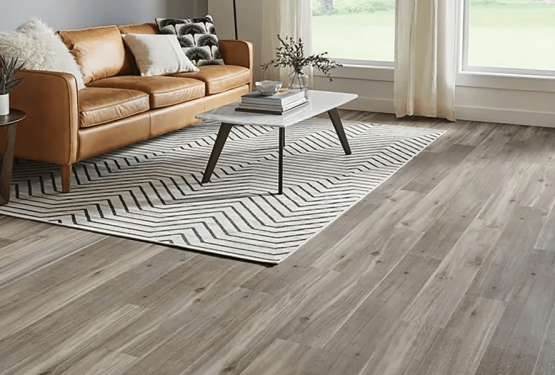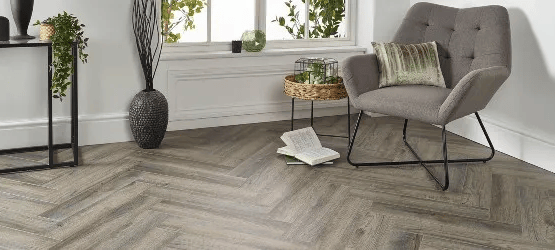

Choosing the proper type of flooring is very important when designing a new home or renovating an existing one. Flooring impacts the overall look of a space as well as the durability and comfort and how easy it is to care for. There are many different types of flooring options available to homeowners today; two of the most common are vinyl and tile. Both types of flooring have their pros and cons and so it’s important to know which flooring option will work best for your home.
This guide provides a comparison of vinyl flooring and tile based on cost, durability, maintenance, comfort and look in an effort to assist you in choosing the right flooring option for your home.
What Is Vinyl Flooring?
Vinyl flooring is an artificial type of flooring surface, which is primarily manufactured from Polyvinyl Chloride (PVC). It is designed to look like natural materials such as wood, stone or ceramic tile, but has more flexibility and is more resistant to water. There are many different kinds of vinyl flooring, including Luxury Vinyl Planks (LVP), Luxury Vinyl Tiles (LVT) and Sheet Vinyl.
The primary reason that many people select vinyl flooring for their home is that it is budget friendly and simple to install. There are also many click-lock vinyl flooring options available, so if you are a DIYer, vinyl flooring can be a great option for you.
What Are Floor Tiles?
Ceramic or porcelain, and also natural stone are the materials that tiles are commonly made from. Tiles can be found in many places around the house, such as your kitchen, bathroom, and living areas because of how durable they are and how resistant they are to both water and stains.
Tiles have proven to last a long time and look nice, but they often need to be installed professionally due to the use of adhesives, grouts, and proper leveling.
Vinyl Flooring vs Tiles: Key Differences
- Cost
In general, vinyl flooring costs less than tiles. The cost of material and installation for vinyl flooring is less than for tiles. Therefore, if you are to remodel or remodel on a reduced cost, you should choose vinyl flooring as it will typically save you money compared with tiles.
- Installation
Vinyl flooring is quicker and simpler than tiles to install, depending upon whether you are using a click-and-lock system or not, because there is no need for adhesive or nails.
With tile flooring, many steps are involved in order to properly install the tiles: preparing the surface, putting down adhesive, grouting, and ensuring the tiles are aligned correctly. Typically, tile flooring will require the assistance of a professional installer.
- Durability
With proper care, tiles have a long lifespan (often exceeding 20 years). Porcelain tiles, in particular, are extremely durable and resistant to scratching.
Vinyl floors are typically durable, though their lifespan may be shorter than that of tile floors. However, advancements in luxury vinyl flooring products have improved the overall quality and durability of modern vinyl floors, and most will last 15-25 years with proper maintenance based on product quality and use/type.
- Water Resistance
Vinyl flooring is completely waterproof, particularly luxury vinyl plank and tile. While ceramic and porcelain tiles are also water resistant, the grout lines between them can be troublesome Absorb moisture from the above if they are not sealed appropriately.
Both Vinyl floor covering and tiles are considered water resistant therefore can be utilized in kitchens and bathrooms.
- Comfort and Feel
Compared to tiles, vinyl floors provide more comfort, warmth and a softer feeling when walking on them. For bedrooms, living rooms or standing for long periods of time, this makes vinyl a great choice for flooring.
Tiles are typically hard and cold, particularly in the winter; however, with underfloor heating systems, they can be made more user-friendly.
- Design and Appearance
There are many ways to design with both types of flooring, with vinyl being able to simulate hardwood, marbles and/or stones at an affordable cost.
Tiles offer a more premium, natural aesthetic by providing options in materials, textures, colors and patterns that will fit with both contemporary and upscale decor.
Which Flooring Option Is Better?
The best choice depends on your needs, budget, and lifestyle.
- Choose vinyl flooring if you want an affordable, comfortable, and easy-to-install flooring option.
- Choose tiles if you prefer long-lasting durability and a premium look.
Vinyl flooring works well in living rooms, bedrooms, and rental homes, while tiles are ideal for bathrooms, kitchens, and high-traffic areas.
Final Thoughts
Vinyl and tile flooring both make excellent choices for your home’s flooring, but they have many different benefits that can help you determine which is best for your needs. While vinyl is affordable, comfortable to walk on, and can be installed quickly, tile provides excellent durability and provides an elegant way to enhance your décor.
Whether you want to install vinyl or tile depends on your budget, type of room being installed in, how often you plan to clean it, and what type of design style will work in conjunction with your home and lifestyle. By evaluating these factors carefully, you can better decide the best way to furnish your home.