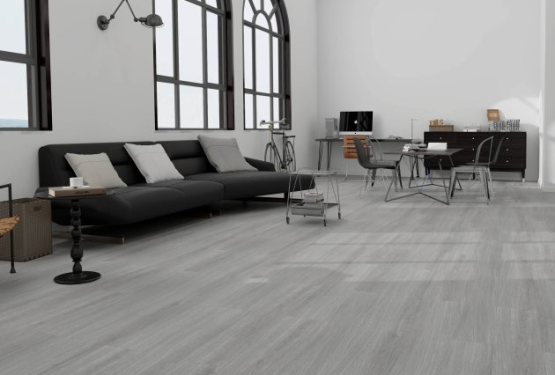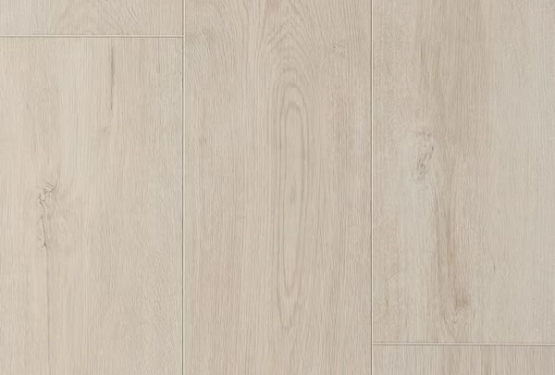

Attracting your attention with a beautiful floor is equally as important as ensuring that the underlying structure of that floor is durable. With the recent rise in demand for this type of product, there has been much confusion as to what rigid core flooring actually represents, as well as why it has so quickly developed into one of the most sought-after materials among both designers and homeowners alike. To help clarify, we will provide all of the necessary information related to rigid core flooring, including benefits, types and suggestions on how to install it.
What Is Rigid Core Flooring?
Luxury vinyl flooring (LVP), a rigid core product, is characterized by its high durability, exceptional stability, and ease of installation. In comparison to other vinyl flooring products, rigid core flooring has a solid, dense core that doesn’t flex, warp, or create gaps. For this reason, it is an excellent choice for high-traffic areas and for areas that experience wide temperature variations.
The core is typically made from either:
- SPC (Stone Plastic Composite): Combines limestone and PVC for maximum rigidity and waterproof performance.
- WPC (Wood Plastic Composite): Blends wood fibers with PVC for a slightly softer, cushioned feel underfoot.
Both types feature a protective wear layer, a printed design layer, and sometimes an attached underlayment for sound absorption and comfort.
Key Benefits of Rigid Core Flooring
Rigid core flooring offers several advantages over traditional flooring options:
- Durability: Highly resistant to scratches, dents, and daily wear.
- Waterproof: Ideal for kitchens, bathrooms, and basements where moisture is a concern.
- Stability: Won’t expand or contract significantly with temperature or humidity changes.
- Easy Installation: Click-lock or glue-down systems make installation fast and DIY-friendly.
- Variety of Designs: Available in wood, stone, and tile visuals for modern or classic interiors.
These features make rigid core flooring perfect for both residential and commercial spaces.
Rigid Core Flooring vs Traditional Vinyl
Traditional vinyl flooring offers flexibility and affordability but is missing the core stability of rigid-core flooring, which will keep your floors from warping or developing an uneven surface. Rigid-core flooring provides the stability of feeling solid under your feet, similar to real wood or stone. Additionally, the structural integrity of Rigid-core flooring will survive greater levels of traffic and moisture without being negatively impacted or damaged.
Tips for Choosing the Right Rigid Core Flooring
When selecting rigid core flooring, consider the following:
- Room Type: SPC is better for high-moisture areas; WPC provides more comfort underfoot.
- Wear Layer: Look for 12–20 mil thickness for residential areas and higher for commercial use.
- Installation: Click-lock systems are easier for DIY, while glue-down may offer additional stability.
- Design & Finish: Choose finishes that complement your interior style and offer realistic textures.
Conclusion
In fact, rigid core flooring provides durable, water-resistant, aesthetically pleasing flooring that features the luxury vinyl look along with the benefit of a rigid core’s stability. You can choose between SPC if maximum water resistance is paramount or WPC if greater comfort is essential, as both options make Rigid Core Flooring ideal for kitchens, living spaces, offices and other types of Commercial Properties. Rigid Core Flooring provides easy installation, long-lasting performance and many design choices, making them an increasingly popular choice among both Residential and Commercial Property Owners.